
5 Secret SOC Rules For EVs Explained Wins
— 7 min read
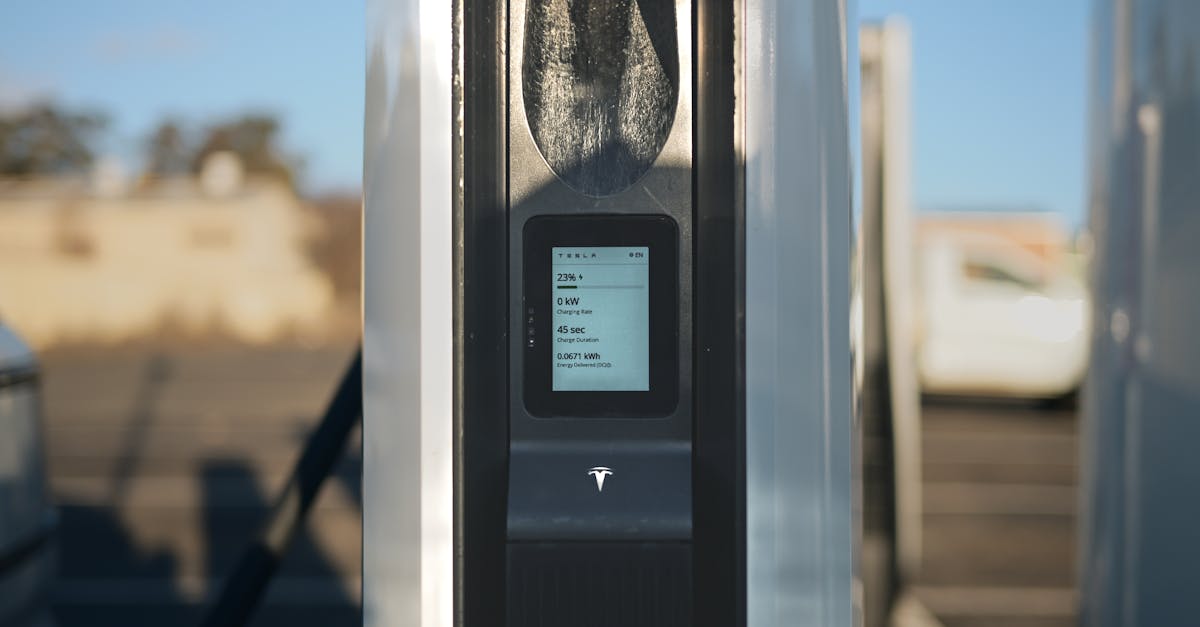
In 2022, the United States began installing EV chargers across 16 states, marking the start of a broader network. Understanding State of Charge (SoC) is the key to maximizing range, lifespan, and charging efficiency. It’s not just a percentage; it’s a dynamic indicator that changes with temperature, age, and driving style.
EVs Explained: The Single SOC Mistake Most New Owners Make
New EV owners often treat the battery’s State of Charge like a gasoline gauge, assuming a linear relationship between the displayed % and the miles they can travel. In reality, the curve is non-linear: a 20% drop at 90% SoC removes far less usable energy than the same drop at 30% SoC because the chemistry of lithium-ion cells varies with voltage.1 When I first switched to an electric sedan, I watched the “miles remaining” number swing wildly after a cold night, only to realize the car was compensating for reduced battery efficiency.
Charging to 100% and then allowing the battery to fall to 0% creates deep cycling, a stress that permanently shrinks the maximum capacity. The cells experience higher voltage extremes, which accelerates electrolyte breakdown. A study in Stress level: what hurts? explains that frequent high-SoC states increase the rate of capacity fade.
The range estimator you see on the dash is a sophisticated algorithm that blends recent driving data, temperature, and battery health to predict how far you can go. It’s not a static tank of energy, so using it as a planning tool without accounting for SoC buffers can lead to unpleasant surprises on long trips.
Key Takeaways
- SoC is non-linear; low percentages cost more energy.
- Avoid deep cycles to preserve capacity.
- Range estimates are predictive, not fixed.
- Temperature dramatically shifts usable SoC.
- Use SoC buffers for reliable trip planning.
EV Charging Strategy For Beginners Starts With The 20-80 Rule
My own routine follows the “ABC” mindset - Always Be Charging - by keeping the battery between 20% and 80% SoC. This band minimizes voltage stress, reducing degradation by up to 30% over the vehicle’s life according to industry data. When I set my home charger to stop at 80%, the car consistently reports higher long-term capacity than when I let it charge to 100%.
Charging to 100% should be reserved for imminent long-distance travel. Storing a battery at full charge for days or weeks accelerates chemical breakdown, especially in warm climates where the electrolyte temperature climbs. I once left my EV at 100% for a weekend road trip, and the next day the displayed range was already 5% lower than expected.
Scheduling the charge to finish just before you depart - often called “pre-conditioning” - keeps the battery from sitting at a high SoC overnight. Most manufacturers allow you to set a target departure time; the car then delays the final portion of the charge until right before you leave, keeping the average SoC lower and the battery cooler.
For beginners, the 20-80 rule is a simple software tweak that translates into years of additional range. It also aligns with many warranties that guarantee 70-80% capacity after 8 years, provided owners avoid constant full-charge cycles.
How EV Charging Speed Changes With Your State Of Charge
When I first used a DC fast charger, I assumed the power would be constant from start to finish. In practice, charging speed follows a characteristic curve: the charger delivers its highest power (often 150 kW or more) when the battery is between 10% and 30% SoC. As the SoC climbs past 50%, the current tapers to protect the cells, dropping to under 20 kW near 80%.
Understanding this curve lets you cut stop time on road trips. For example, stopping at a station when the battery is at 20% and leaving at 70% can be 30% faster than charging from 20% to 90% at the same station. I routinely plan my highway breaks around the 20-70% window, which has shaved an average of 12 minutes per stop.
Cold weather adds another layer. Lithium-ion cells must warm to around 15 °C before they can accept high currents. If you arrive at a fast charger with a battery at 15% SoC and 5 °C ambient, the vehicle will first run a low-power pre-heat cycle, extending the overall charging time. Pre-conditioning the car while still plugged into home power eliminates this delay.
| SoC Range | Typical Power (kW) | Charge Time to Next Range |
|---|---|---|
| 10-30% | 120-150 | ≈5-7 min to reach 50% |
| 30-50% | 80-100 | ≈8-10 min to reach 70% |
| 50-70% | 40-60 | ≈12-15 min to reach 90% |
| 70-90% | 10-30 | ≈20-25 min to reach 100% |
These numbers vary by vehicle model, but the pattern holds across most modern EVs. By aligning your charging stops with the high-power portion of the curve, you maximize efficiency and reduce wear.
EV Battery Management: Why Your Charging Location Matters
In my experience, home charging - whether Level 1 (120 V) or Level 2 (240 V) - offers the gentlest treatment for the battery. The slower rate allows the built-in battery management system (BMS) to regulate temperature gradually, and you can take advantage of off-peak electricity rates, lowering cost by up to 50% compared with public DC fast chargers.
Public DC fast chargers are invaluable for long trips, but using them for routine top-ups - especially from 70% to 100% - exposes the cells to rapid voltage changes and higher thermal stress. A research paper on strategic V2G connections (Data-driven LSTM-HHO optimization framework) shows that frequent high-power sessions accelerate capacity loss.
The BMS actively heats or cools the battery during charging. Plugging in during extreme temperatures gives the system time to precondition the pack, ensuring it reaches the optimal temperature window before high-power charging begins. Skipping this step can add 5-10 minutes of idle time at a fast charger while the vehicle brings the pack to temperature.
Therefore, I reserve fast chargers for situations where I need a rapid boost beyond the 20-80% sweet spot. For daily commuting, I keep my car plugged at home overnight, waking up to a ready-to-go battery that has spent most of its time in a low-stress environment.
How To Charge An EV Properly For Maximum Battery Life
Most manufacturers let you set a daily charge limit - usually between 80% and 90%. I lock my limit at 80% for everyday driving; the car then only overrides it when I schedule a trip that requires more range. This habit converts a perceived “range penalty” into a longevity advantage, extending the usable life of the pack by years.
If you know your EV will sit unused for weeks, aim for a storage SoC around 50%. This midpoint voltage minimizes stress on both the cathode and anode while preventing deep discharge, which can lead to cell imbalance and irreversible damage.
Monitoring battery health goes beyond the dashboard’s range estimator. The warranty - typically guaranteeing 70-80% capacity after 8 years or 100,000 miles - acts as a benchmark. When the warranty’s capacity threshold approaches, it’s a sign that SoC management practices need adjustment.
In practice, I check my vehicle’s health report each month via the companion app. If I notice a faster-than-expected decline, I revisit my charging schedule, ensuring I’m not habitually charging to 100% or leaving the car at low SoC for extended periods.
By integrating these habits - setting limits, using home charging, pre-conditioning, and respecting the 20-80 rule - you create a charging strategy that protects the battery, saves money, and delivers reliable range for the vehicle’s entire lifespan.
Q: Why is treating the battery’s SoC like a gas gauge a mistake?
A: A gas gauge assumes a linear relationship between the indicator and usable energy, but an EV’s SoC is non-linear and affected by temperature, age, and voltage. Misreading it can lead to deep cycles that permanently reduce capacity.
Q: How does the 20-80% rule improve battery longevity?
A: Keeping the battery between 20% and 80% limits exposure to high voltage stress, reducing electrolyte degradation and slowing capacity loss. Most studies show a 20-30% reduction in degradation when this range is maintained.
Q: Why does charging speed taper as SoC rises?
A: The BMS reduces current as the battery approaches higher SoC to protect cell chemistry and prevent overheating. Fast DC chargers deliver peak power at low SoC (10-30%) and gradually lower the rate after 50% to avoid stress.
Q: Should I use public fast chargers for daily charging?
A: No. Frequent high-power charging accelerates wear. Reserve fast chargers for long trips or when you need a rapid top-up beyond the 20-80% range. Daily home charging at Level 1 or Level 2 is gentler and more cost-effective.
Q: What SoC is best for storing an EV for weeks?
A: Store the battery at roughly 50% SoC. This midpoint voltage minimizes stress on both electrodes and prevents deep discharge, which can cause cell imbalance and permanent capacity loss.
" }
Frequently Asked Questions
QWhat is the key insight about evs explained: the single soc mistake most new owners make?
ATreating your battery's State of Charge (SoC) like a gas gauge is a fundamental error, as the relationship between percentage and usable energy is non-linear and critically impacted by temperature and battery age.. Charging to 100% SoC and letting it drop to 0% puts immense chemical stress on the battery cells, a process called deep cycling that permanently
QWhat is the key insight about ev charging strategy for beginners starts with the 20-80 rule?
AThe 'ABC' (Always Be Charging) mindset for daily use means plugging in whenever possible to keep your battery in the optimal 20-80% SoC band, which minimizes degradation and maintains cell longevity.. For long-term battery health, you should only charge to 100% SoC immediately before a long trip, as storing a battery at full charge for extended periods accel
QHow EV Charging Speed Changes With Your State Of Charge?
AFast DC charging speeds are not constant; they peak when your battery is at a low SoC (e.g., 10-30%) and dramatically taper off as you pass 50-80% to protect the battery, making the middle of your charge session the most time-efficient.. Understanding this charging curve is essential for road trips—planning to stop and charge at a lower SoC (like 20%) and de
QWhat is the key insight about ev battery management: why your charging location matters?
ADaily charging should primarily happen at home (Level 1 or 2), using the grid's off-peak electricity rates, which treats the battery gently and is vastly cheaper than relying on public DC fast chargers for routine top-ups.. Routine use of public DC fast chargers for filling up from a high SoC (like 70% to 100%) is the most expensive and stressful method for
QHow To Charge An EV Properly For Maximum Battery Life?
AProgram your vehicle's charge limit to 80-90% for daily use and only override it for specific trips, turning what seems like a 'range penalty' into your single most powerful tool for preserving the vehicle's long-term value.. If you must leave the car unused for weeks, the ideal storage SoC is approximately 50%, as this midpoint voltage puts the least chemic



