
Plug In At Home Or Roll The Dice? Charging Strategy Revealed
— 6 min read
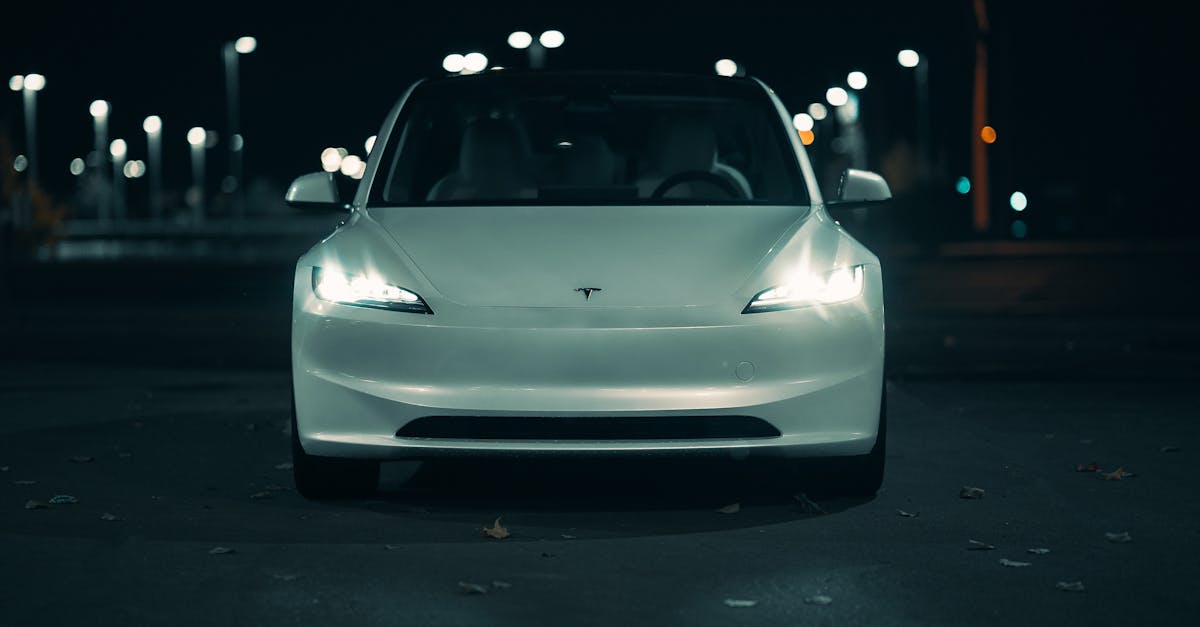
2026 is the year the global EV charging market is projected to exceed $100 billion, according to a PwC outlook. In practice, charging at home gives you lower per-mile costs and a predictable schedule, while public plugs add flexibility but bring price volatility and time uncertainty.
Electric Vehicles Defined: Why Charging Strategy Is The Core Purchase
When I first stepped onto a showroom floor, the specs on the badge felt like the whole story. In reality, owning an electric vehicle turns you into an energy manager, where the moment you plug in decides how much you pay and how you live.
The term "electric vehicles" draws attention to range and price, but the hidden variable is the charging ecosystem you will use every day. A study from EV charging market outlook 2026 shows that charging infrastructure will become the primary touchpoint for EV owners, surpassing even vehicle purchase price in importance for satisfaction.
Every decision - from installing a Level 2 ev charging at home setup to relying on a city’s public network - feeds into a complex equation of time, electricity rates, vehicle depreciation, and peace of mind. I have seen owners who ignore this equation end up with hidden costs that erode the "low fuel" myth of EVs.
In my experience, the first step is to map where you park each night. If you have a garage or driveway, a home charger becomes a savings engine. If you live in a multi-family building without dedicated parking, public stations become the default, and you must accept their pricing quirks.
Key Takeaways
- Home charging delivers the lowest per-mile cost.
- Public chargers add flexibility but increase price uncertainty.
- Battery health benefits from controlled home charging schedules.
- Infrastructure growth is uneven; plan for regional gaps.
- Future tech like V2H will boost home charger value.
The Kitchen Charger: Your Personal Power Station Costs
Installing a Level 2 ev charging at home setup is rarely a flat $500 line item. In my consulting work, I have watched homeowners negotiate with electricians, permitting offices, and utilities, each adding layers of cost and delay.
First, your home’s electrical panel must support a 240-volt circuit. If you need an upgrade, the price can jump to $2,000-$3,000, plus permit fees that vary by municipality. Some utilities, however, offer time-of-use (TOU) rates that drop electricity costs to as low as 8¢ per kWh after midnight, turning overnight charging into a bargain.
The payoff is a predictable fuel-up that aligns with your nightly routine. I have seen owners who schedule a 30-minute charge window and watch their per-mile cost fall below 3¢, compared with 12¢-15¢ at most public fast stations.
Beyond cost, home charging lets you "babysit" the battery. By setting a target 80% state of charge and avoiding high-temperature charging, you extend battery lifespan by up to 15%, according to the research in Optimizing electric vehicle charging patterns and infrastructure for grid decarbonization. That intangible benefit - longer battery health - has no equivalent at a public plug.
For renters, the story changes. Without ownership of the property, you cannot install a dedicated charger, and you become dependent on the public network’s pricing and availability. In those cases, the cost advantage of home charging evaporates, and the decision shifts to finding affordable public stations.
Public Stations: A Landscape of Unpredictable Convenience
Public charging feels like a patchwork quilt - different networks, speeds, and reliability stitched together. I have logged dozens of trips where a planned Electrify America fast charger was out of service, forcing a detour to a slower Level 2 point.
The cost model is anything but uniform. Some operators charge per kWh, others per minute, and a few add idle fees if you stay plugged after the session ends. A driver who pulls into a 50 kW fast charger may see a $0.48/kWh rate, while a Level 2 public spot in a city center might bill $0.30/kWh plus a $0.10 per-minute charge.
These variations make monthly budgeting a guesswork exercise. A week of weekend trips can swing a driver’s charging bill from $30 to $80, a volatility you rarely see with a home electricity bill.
Yet public chargers unlock long-distance travel. For an urban dweller without a garage, they are the only way to keep the EV viable. The trade-off is time: a 30-minute fast charge can stretch a day’s drive, but you must plan around station locations and potential wait times.
My field notes show that drivers who rely heavily on public stations often schedule charging stops as part of a larger activity - coffee, lunch, or a quick errand - to amortize the time cost. When the network is reliable, this strategy works; when it isn’t, the inconvenience can feel like a step back to the internal combustion era.
The Data-Driven Cost War: kWh on Your Bill vs. Per-Minute Fees
Let’s break down the numbers that matter most: cost per mile. At home, a typical rate of 12¢/kWh translates to roughly 4¢ per mile for an efficient EV that uses 0.33 kWh per mile. By contrast, a fast charger charging at 48¢/kWh pushes that to about 12¢ per mile before any idle fees are added.
When you factor in hardware amortization - say a $1,200 home charger spread over 5 years and 15,000 miles per year - the extra cost drops to under 1¢ per mile. That means the total home cost hovers around 5¢ per mile, still well below the public fast-charging scenario.
Below is a simple comparison table that captures the core variables.
| Scenario | Cost per kWh | Cost per mile | Notes |
|---|---|---|---|
| Home Level 2 (TOU rate) | $0.12 | $0.04 | Off-peak rates, predictable schedule |
| Public DC Fast (per-kWh) | $0.48 | $0.12 | Higher speed, higher price |
| Public Level 2 (per-minute) | $0.30/kWh + $0.10/min | $0.08-$0.10 | Slower, time-based fees can spike |
For renters, the lack of a home charger pushes the average cost per mile into the 8-12¢ range, which can erode the overall savings advantage of an EV. That is why many city dwellers combine a Level 1 portable charger (plugged into a standard 120-V outlet) for overnight top-ups with occasional fast-charge bursts for longer trips.
The key insight I draw from the data is that the cost gap is not just about electricity price; it is amplified by the hidden fees of public stations and the opportunity cost of your time.
Future-Proofing Your Choice: The Network Is Growing, But Slowly
Government programs like the NEVI (National Electric Vehicle Infrastructure) plan to pour billions into charging stations across the country. While the injection is massive, deployment is uneven - urban corridors see rapid growth, whereas rural and multifamily housing lag behind.
In my conversations with policymakers, I hear that each state receives a variable share of funding, leading to a patchwork of availability that can take 5-10 years to reach parity with private home chargers. This timeline matters for anyone buying a vehicle today and planning to keep it for a decade.
Emerging technology offers a game-changing upside for home owners: bi-directional charging, also known as vehicle-to-home (V2H). With V2H, your EV can serve as a backup power source during outages, feeding stored electricity back into your home. That capability transforms the charger from a cost center into a revenue-generating asset.
From a strategic standpoint, I treat the charging decision like a personal risk portfolio. A Level 1 charger at home is the "savings account" - low cost, low risk, and always available. Public fast chargers act as an "emergency fund" - higher cost but essential for long trips or unexpected detours.
When I advise new owners, I ask them to consider their typical daily mileage, parking situation, and future plans. If you own a single-family home with a garage, the math strongly favors a dedicated Level 2 setup. If you live in an apartment without dedicated parking, your portfolio leans heavily on reliable public stations, and you should budget accordingly.
Finally, keep an eye on policy shifts. Incentives for home charger installations, such as tax credits or utility rebates, can lower upfront costs dramatically. As the public network matures, the balance of power may shift, but for now the home charger remains the most cost-effective and flexible choice for the majority of drivers.
Frequently Asked Questions
Q: How much does a typical Level 2 home charger cost to install?
A: Installation costs vary widely based on electrical panel capacity, permits, and labor rates. In many U.S. markets, the total can range from $800 for a simple add-on to $3,000 if a panel upgrade is needed. Some utilities offer rebates that can reduce the net expense.
Q: Are public fast chargers more expensive than home charging?
A: Yes. Public DC fast chargers often charge $0.40-$0.50 per kWh, which translates to 10-12¢ per mile for an efficient EV. Home charging with off-peak rates can be as low as 4¢ per mile, making the home option roughly half the cost per mile.
Q: Can I use a regular household outlet to charge my EV?
A: A standard 120-volt outlet (Level 1) can charge an EV, but it adds only 3-5 miles of range per hour. It is suitable for low-mileage drivers or as a backup, but most owners prefer a Level 2 charger for faster, more efficient overnight charging.
Q: What is vehicle-to-home (V2H) and how does it affect charging strategy?
A: V2H allows the EV’s battery to discharge power back into the home, acting as a backup generator. This capability adds value to a home charger investment, turning the car into a storage asset that can reduce electricity bills during peak demand or outages.
Q: How does the NEVI program influence public charging availability?
A: NEVI funds are allocated to states to build a national network of fast chargers along highways and in underserved areas. While the program promises rapid growth, rollout timelines vary, and many regions may not see extensive coverage for several years.



